Digital Freight Platform Market Research
A comprehensive analysis of the digital freight logistics market in Tanzania and East Africa, examining market demand, competitive landscape, regulatory environment, and payment infrastructure to validate the business viability of a ride-hailing inspired trucking platform.
Market Opportunity
Empty truck trips, high logistics costs, and fragmented supply chains create significant value gaps.
Regional Scope
Focus on Tanzania, Kenya, Uganda, Rwanda, and cross-border logistics corridors.
Regulatory Analysis
National compliance requirements and cross-border operational complexities.
Market Opportunity & Pain Points
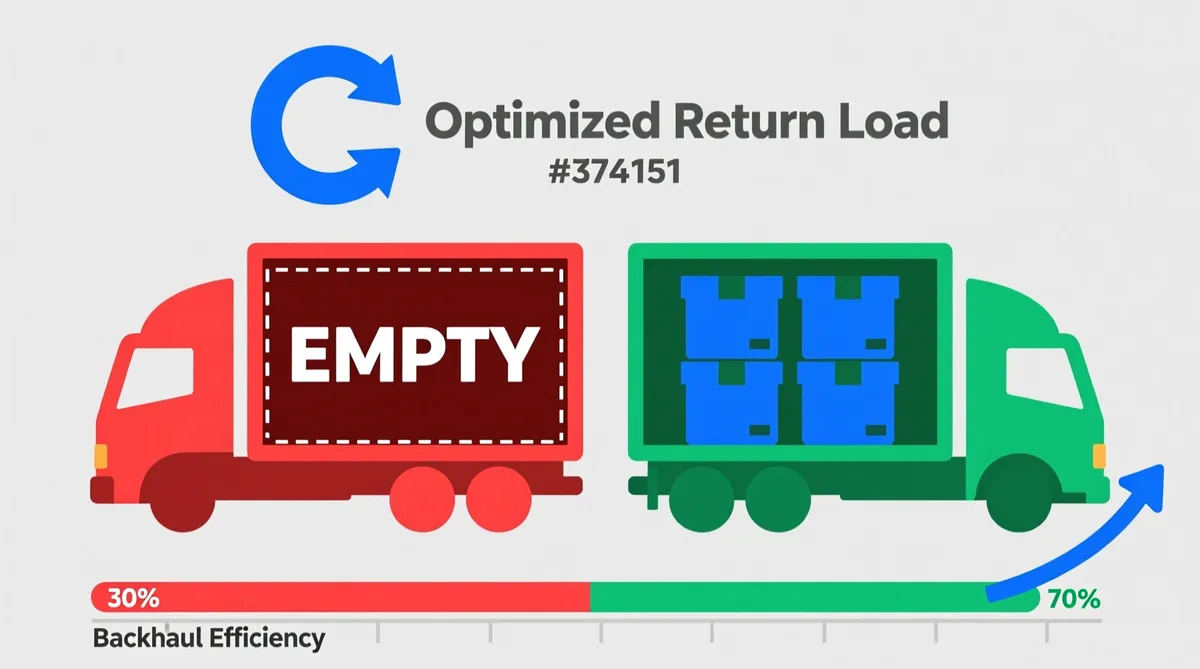
Empty return trips constitute a major inefficiency in East African logistics. Studies indicate that between 30-40% of logistics trucks in Africa travel empty, representing a massive waste of resources and contributing 59% of total greenhouse gas emissions from return trips.
Stakeholder feedback suggests an estimate of about 70% of trucks returning empty due to lack of demand, highlighting the enormous potential for digital platforms to optimize return loads.
Key Finding: On most African trade corridors, road transport is dominated by very small carriers (one or two trucks) and independent drivers, leading to estimated empty backhaul rates of between 40% and 60% of truck kilometers due to inefficient matching of shippers and carriers.
High Logistics Costs
In several African economies, logistics costs can represent a significant portion of the value of goods, ranging from 50% to 75%. In contrast, developed economies typically have logistics costs closer to 6%–10%.
Payment Uncertainty
Payment delays and endless confirmations create significant friction. The real cost isn't the transaction; it's the uncertainty that disrupts cash flow and operational planning.
Poor Visibility
Lack of real-time tracking and visibility creates operational blind spots that cost money and delay deliveries across fragmented logistics networks.
Challenge: The African Continental Free Trade Area (AfCFTA) will only boost intra-African trade if logistics costs and opacity decrease. Large multinational companies increasingly demand more visibility, better traceability, and contractual standardization from their logistics providers.
Demand Analysis Across Customer Segments
Competitive Landscape Analysis
The African logistics technology market is valued at approximately USD 170 billion, with growth driven by e-commerce, demand for supply chain optimization, infrastructure investments, and the adoption of digital technologies like IoT and AI.
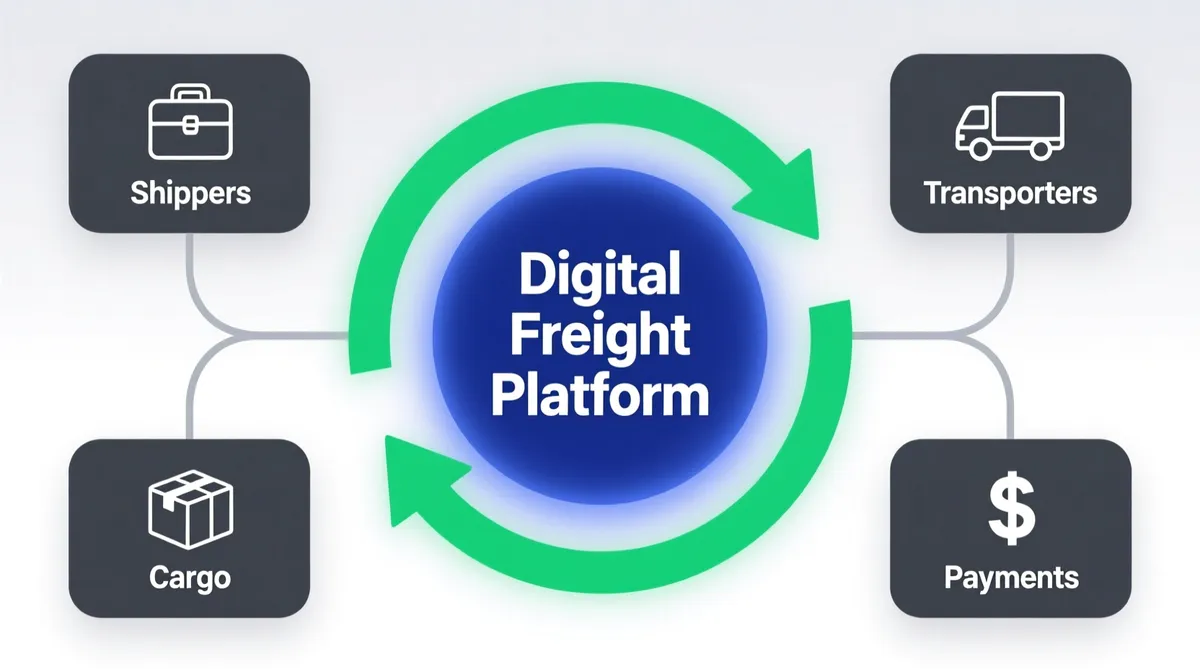
Digital freight platforms in Africa function as tech-driven intermediaries connecting shippers with transporters. Key features include matching cargo with available trucks, offering transparent pricing, enabling real-time tracking, and digitizing documentation and payments.
Scale Achievement: Lori Systems has scaled to connect over 20,000 trucks and coordinates freight across 12 countries. Its main operating hubs are located in Kenya (core), Nigeria (West Africa), and Uganda (East Africa).
Leading Digital Freight Platforms
Lori Systems (Kenya)
Operates as a digital freight marketplace connecting shippers with vetted truck transporters. Does not own trucks and focuses on digitizing long-haul trucking in Africa.
- Connects over 20,000 trucks across 12 countries
- Active cross-border lanes: Rwanda, Tanzania, South Sudan, DRC, Ghana
- Core value: Cost-effective, reliable, seamless operations
Kobo360 (Nigeria)
App matches truck owners and drivers with cargo companies' needs to reduce empty runs and lower costs. Handles scheduling and payment digitally, providing features like insurance for drivers and a 24-hour rescue team.
- Operates a fleet of 30,000 trucks across multiple countries
- Key markets: Burkina Faso, Côte d'Ivoire, Ghana, Kenya, Nigeria, Togo, Uganda
- Raised significant Series A funding led by Goldman Sachs
Amitruck (Kenya)
Connects over 8,000 delivery trucks with cargo owners. Core value proposition: Reduce shipping costs by 40%, cut out intermediaries, and increase transparency through competitive bidding.
- Operating in Kenya, Uganda, Rwanda, and Tanzania
- Raised $4 million seed funding in early 2023
- Every transaction covered by insurance service
Mover Africa (Kenya)
Transforming Kenya's trucking marketplace with reliable, on-demand transport services for businesses and communities.
- On-demand trucking marketplace model
- Serves both B2B and B2C segments
- Reliable transport services across Kenya
Cash Flow Challenge: In 2025, Lori Systems announced a bridge funding round to support its shift towards profitability, indicating it faced cash-flow pressure similar to other digital freight startups. This highlights the operational complexity of managing working capital due to late shipper payments.
Regulatory Environment & Compliance
Tanzania National Regulations
The Land Transport Regulatory Authority (LATRA) is an autonomous regulatory body corporate established by the Land Transport Regulatory Authority Act, replacing the former SUMATRA regulatory framework.
LATRA issued a total of 388,715 transport licenses, representing a 55 percent increase, demonstrating the growing regulatory framework for transport operators.
Compliance Requirement: Companies like Wiwo Freight hold valid road transport operator licenses issued by LATRA, authorizing them to provide freight transportation services across Tanzania.
Communication & Digital Licensing
Tanzania adopted a Converged Licensing Framework that supports technology and communication services, with TCRA expanding its digital landscape with new licenses across various categories.
In Q3 2024, TCRA issued 38 new licenses across various categories and markets, including 15 for content services and five for courier services.
Regulatory Challenge: Tanzania Issues Regressive Online Content Regulations requiring applicants to provide company details including physical address, shareholding, citizenship of shareholders/directors and tax information, potentially creating compliance barriers for digital platforms.
East African Community (EAC) Cross-Border Framework
Key Insight: McKinsey analysis suggests that pushing too quickly for minimum fleet size or capital rules may exclude thousands of operators without solving productivity issues if digital tools are not in place. Conversely, ignoring the structuring of trip, fuel, and maintenance data leaves banks lending blind and policymakers with poor visibility on actual flows.
Payment Infrastructure & Digital Finance
Starting 1st August 2025, all international money transfers into Tanzania will be required to be processed through the Tanzania Instant Payment System, marking a significant shift towards digital payment infrastructure.
In 2024, over 4.7 billion mobile money payments were recorded, moving over 145.1 trillion TZS through the systems, demonstrating the scale of digital payment adoption.
Growth Metrics: Tanzania's mobile money market experienced significant growth, with active users reaching 51.7 million in 2023 and total transaction volume increasing from 3.77 billion in 2020 to over 10.27 billion in 2024.
Mobile Money Market Share
Cross-Border Payment Challenges
Regional Context: East Africa is one of the most dynamic digital finance ecosystems globally, yet cross-border payments remain slow, expensive, and fragmented, presenting both challenges and opportunities for digital freight platforms to integrate innovative payment solutions.
Market Viability Assessment & Strategic Recommendations
Market Viability Summary
The digital freight platform market in Tanzania and East Africa presents a compelling opportunity driven by significant inefficiencies in current logistics operations. With empty backhaul rates of 40-60%, logistics costs representing 50-75% of goods value, and fragmented supply chains lacking visibility, there is substantial value to be captured through digital optimization.
Successful platforms like Lori Systems have demonstrated the ability to scale to over 20,000 trucks across 12 countries, proving market acceptance and operational feasibility. However, cash flow management and working capital challenges remain critical considerations for platform sustainability.
The primary benefits of digital freight platforms include monetizing backhaul trips, providing real-time cargo visibility, empowering small truck owners, offering financial inclusion solutions, and enhancing regional trade efficiency under the AfCFTA agreement.
Key Strengths
- Huge market inefficiencies create significant value gaps
- Proven successful models exist (Lori Systems, Kobo360)
- Strong digital payment infrastructure in East Africa
- EAC frameworks support cross-border operations
Critical Challenges
- Cash flow management and working capital pressures
- Cross-border regulatory fragmentation
- High fraud rates in mobile payment systems
- Resistance from traditional brokers and intermediaries
Strategic Recommendations
1. Focus on Enterprise Customers Initially
Target large enterprises in FMCG, agriculture, manufacturing, and construction sectors who have clear budgets for logistics optimization and can provide stable revenue streams to support platform growth.
2. Build Strong Trust & Safety Mechanisms
Implement rigorous carrier vetting, real-time tracking, cargo insurance, and transparent pricing to overcome resistance from traditional brokers and build confidence among enterprise customers.
3. Optimize Working Capital Management
Develop strategies to manage cash flow pressures from late shipper payments, potentially through working capital facilities or alternative financing mechanisms, as demonstrated by Kobo360's evolution beyond simple matching.
4. Leverage Digital Identity Solutions
Implement a government-backed, unified KYC ('Know Your Customer') system to address the inefficiency of repeatedly submitting documents to multiple banks, allowing traders to verify once and be recognized across all financial institutions.
5. Prioritize Security & Fraud Prevention
Implement robust security measures including role-based access controls, consistent identity verification protocols, multi-factor authentication, and well-rehearsed incident response plans to combat rising strategic cargo theft.
Final Assessment: The African Continental Free Trade Area (AfCFTA) will only boost intra-African trade if logistics costs and opacity decrease. Digital freight platforms represent a critical enabler for achieving these objectives by providing visibility, traceability, and standardization that large multinational companies increasingly demand from their logistics providers.